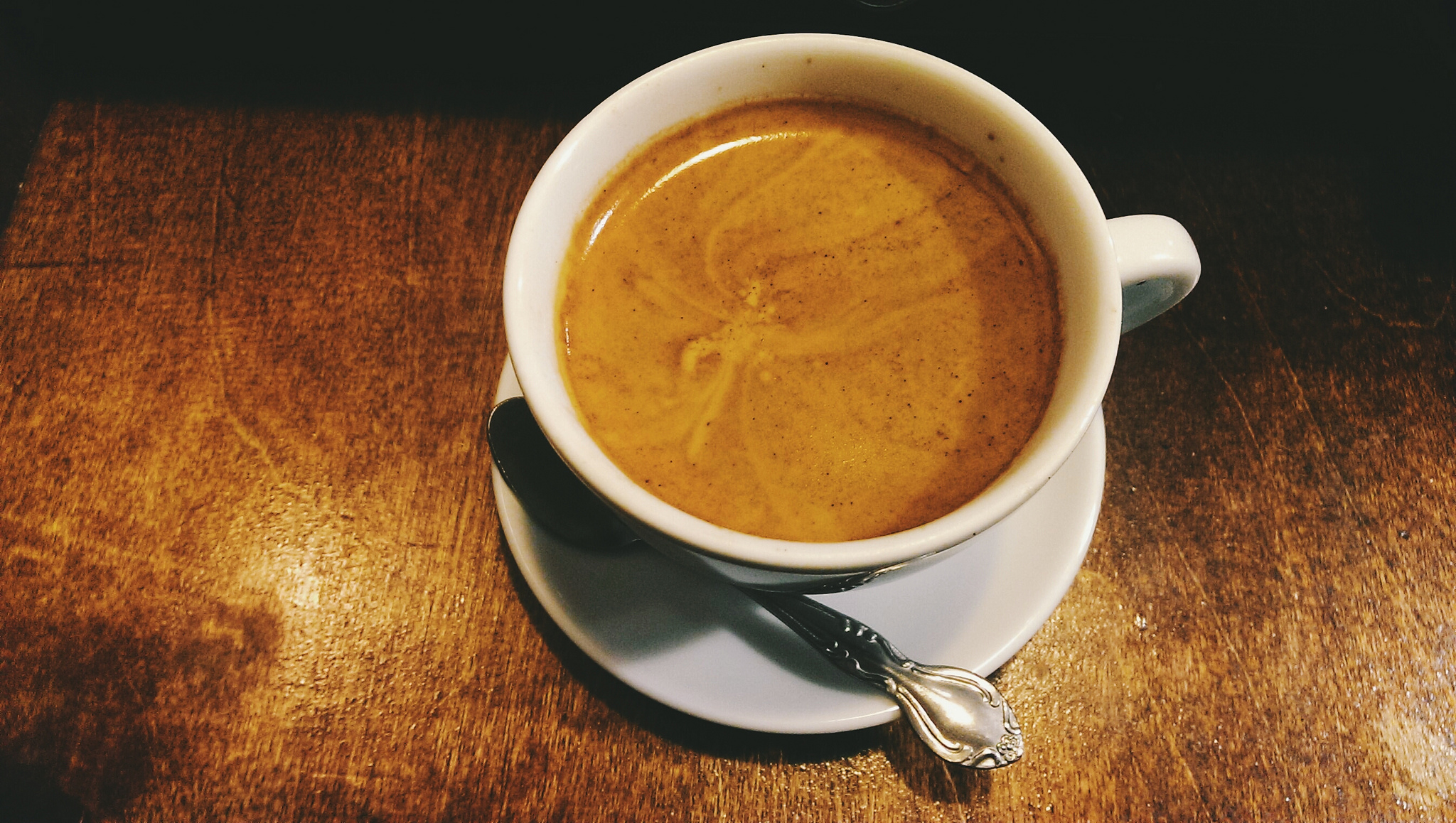
You may be the type who just drinks their latte without being too fussy about its taste or you may only be able to savour a flat white from the small shop down that tiny side street round the corner from the office.
You may never brew it at home or you might be an avid home coffee maker.
Either way – here are some important facts you should know.
Because coffee is like Sushi – start with a bad one and you’ll think all coffee is like that and won’t like it or truly enjoy it.
Get a good one and it’s a different world of complex flavours and aromas that you’ll come back to again and again.
-
Storage of beans
Roasted coffee beans should be stored in a normal dry environment, at room temperature – a kitchen cupboard is a good place.
An air tight container is best.
Never put it in the fridge or – shock-horror – freezer! The moisture in both will which will get into the beans from cooling and re-warming will spoil the taste noticeably.
-
Brew-by date
The most important date is the date of when the coffee was roasted.
Coffee beans should be used no more than 2-3 weeks after roasting. As time goes on, coffee oils will evaporate and beans will start to go off more and more.
Roasting coffee is extremely complex and professional, experienced roasters develop advanced variable temperature roasting programs for their roasting machines.
Many are computer controlled and there are sophisticated temperature curves which drive the process.
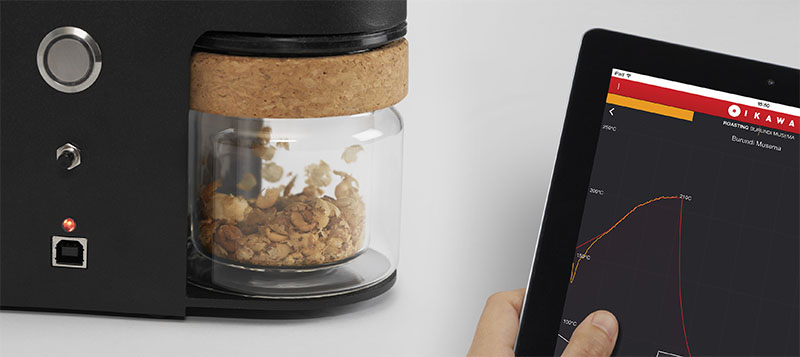
Give freshly roasted coffee 3-5 days to “settle down” – as I was once advised by the owner of Three Wheels Coffee.
If the roast day is more than 5 days in the past – grind and brew away!
Avoid coffee from the super market – it sits on shelves sometimes for months and even though it’s vacuum packed, oils spoil and the taste is horrendous. Large companies spend less effort on roasting too, so even when fresh the coffee often tastes burned and bitter.
I get mine from Pact Coffee – a superb idea/business/product. Very fresh and very well roasted beans, sent on demand or schedule via the post and ordered via one of the best designed web shops I’ve ever used.
There are equivalent companies in the US or just find a reliable local roaster.
-
Grinding
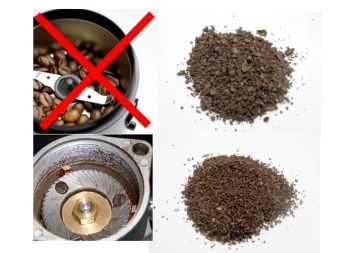
Grinding should only be done with a burr grinder. Never one of those cheap grinding machines with a spinning blade.
For getting consistent flavour you have to have consistent grind size. You can only get consistent grind size with a burr grinder.
A “spinning blade” grinder will give different size every time and within the same batch you will have fine powder and coarse chunks – all making for terrible coffee.
These grinders crush the beans between 2 abrasive wheels – the distance between the wheels is controlled by a dial and controls the size of the grind.
Play with the grind size as the best size will be different for different beans. Espresso is especially sensitive to this and to get the right pressure, you have to get the grind size dead on.
-
Brewing
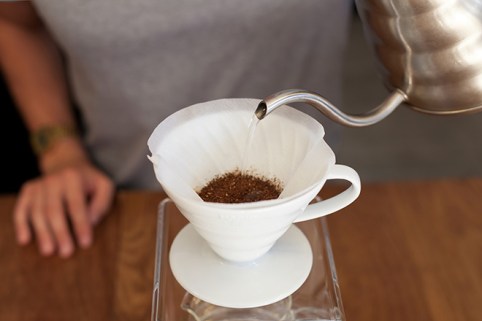
Coffee should be brewed as quickly as possible after grinding. Be it drip filter or espresso that you’re making.
Every second that passes after you’ve ground freshly roasted coffee, the oils start evaporating and flavour escapes.
Have you hot water ready for a pour over / drip filter or the espresso machine warmed and good to go so you can get brewing as soon as coffee has been ground.
Forget pre-ground coffee at your local store – it’s a crime!
-
Water temperature
This one is something I’ve found myself and not been told by any one so I won’t sell it as a “pro tip”. I’ve just found that coffee tastes better when you don’t scold it. Be it drip filter or espresso.
When (if) you make an espresso – as soon as you’ve made one – put a little cold water in it. It will stop oils evaporating and enhance the flavour.
Same for an Americano – top it up with a little cold water, not just hot.
When brewing a drip filter – leave the water to rest for 30 seconds or even a minute before pouring over the coffee (I suggest boiling the water first, then waiting a short while, then grinding the coffee and pouring the hot water on immediately).
Other tips and suggestions
These are the main things you should know about coffee – now that you do, give them a try and see if you can tell the difference.
If you’re looking for equipment, here is a list worth looking into and investing (in one or all).
-
Espresso machine
Do NOT go for the capsule machine and do NOT try to get a cheap one. You get what you pay for. Better save up and get the right one later than get a cheap one now and throw it out later.
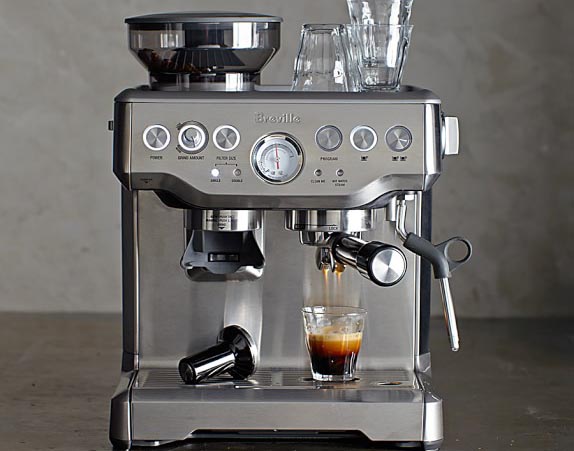
For grinding the beans and brewing an espresso the Sage / Breville all in one grinder and espresso machine is superb. Many people and companies recommend it, including the superb Pact Coffee. I have and use one and switched to from a drip filter – that’s how good it is.
-
Grinder
If you’re just after an electric burr grinder, say, for grinding your drop filter beans – the DeLonghi is very good and reasonably priced. Or if you can spend a bit more – get the Breville / Sage Smart Grinder.
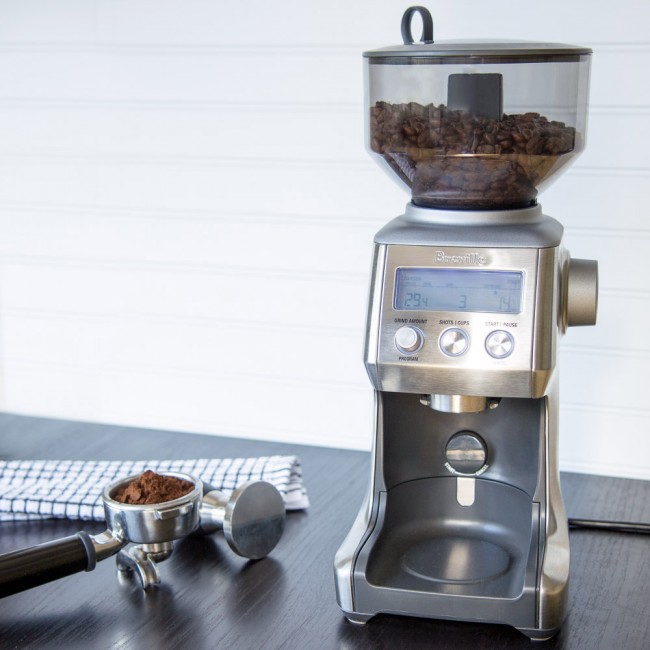
I use mine to keep and grind the decaf beans – the bean compartment is air tight, so no need for separate storage!
-
Drip filter
For drip filter I’ve tried several devices and found the V60 by Hario to be the best. They have a simple cone design with no flat bottom and I find it works best. It’s also made out of ceramic, not plastic.
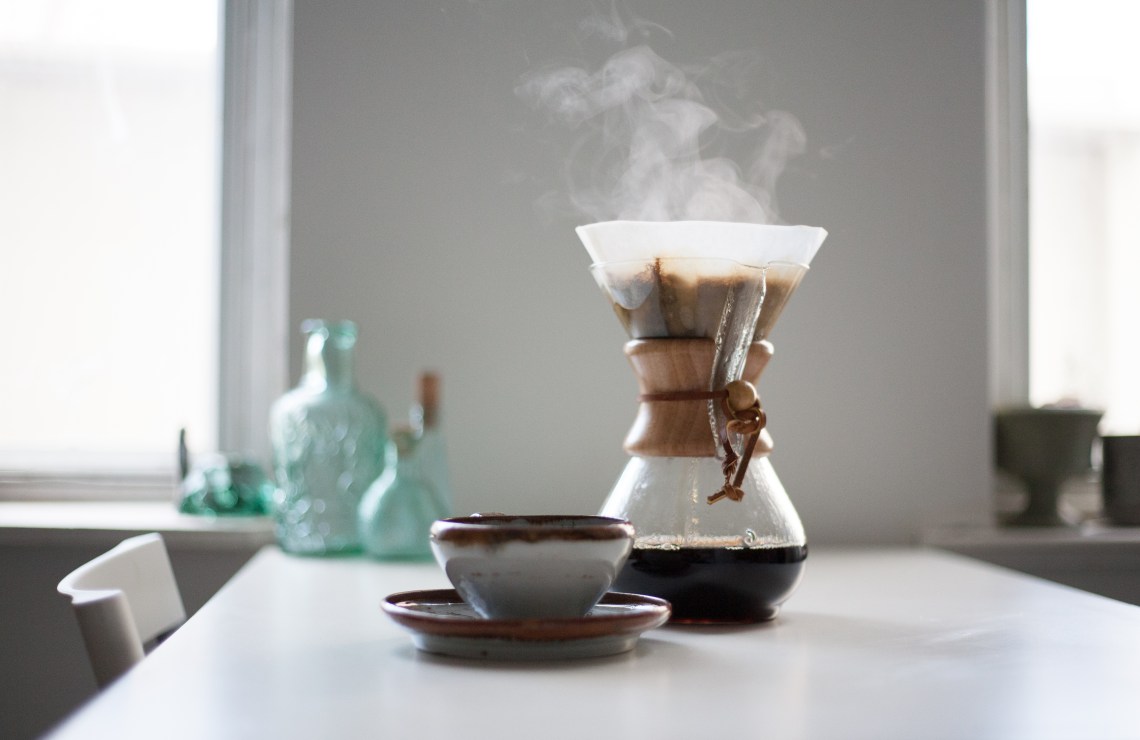
Chemex is a also a nice option and is made from glass and wood – also a nice natural, non-plastic option.
-
Pouring Kettle
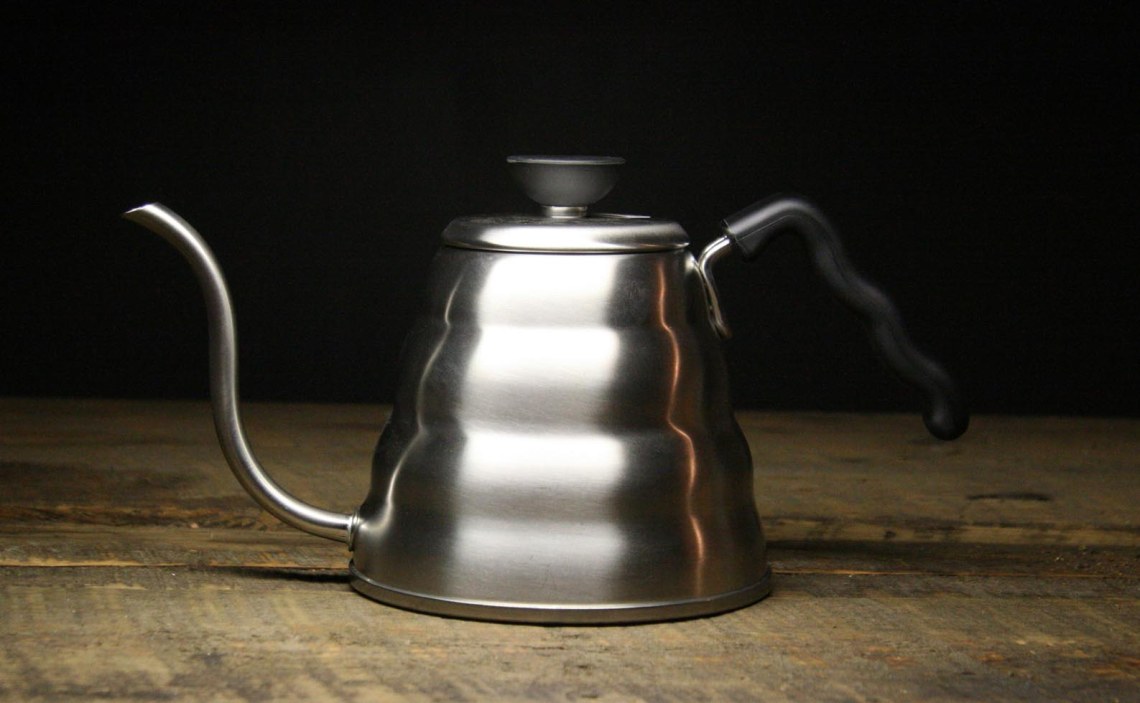
For Drip filter I’d also highly recommend the Hario pouring kettle. It may sound silly to use a special kettle for pouring water over coffee but it is very handy to hit the clumping coffee exactly on target and you get great stream control with it.
-
Portable grinder
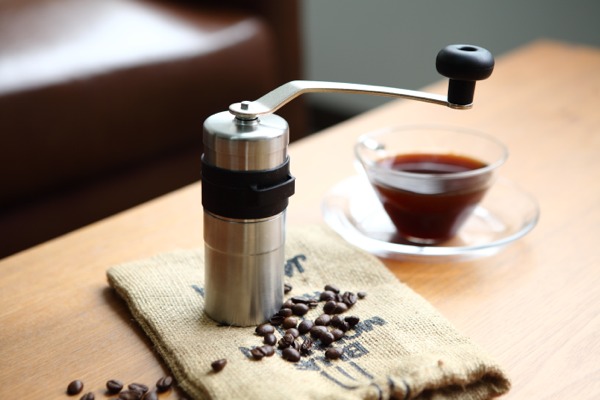
For a portable grinder I’ve been using my portable Porlex and it’s very good, very small and easy to carry and very clean. It is also all metal and ceramic and as a result – very sturdy and robust.
-
Less mess
If you are using the Sage/Breville or a similar coffee maker and / or grinder that has a cradle for your portafilter, you will notice that to get the right amount of coffee into it, you have to grind until some ground coffee starts spilling over.
If not, then some always drops off and falls onto the table or floor when you move the portafilter from the grinder to the machine.
Before removing the portafilter from the grinder cradle – give it a couple of taps / knocks with the tamper to settle the ground coffee into the filter and no more spilled and wasted coffee!
If you’ve found yourself any interesting tips or tricks over time – let me know, I’d love to know what else you found useful!

 Mind Iterations